Personal Development
This is a Bagel?
BY Ben Klein
May 9, 2026
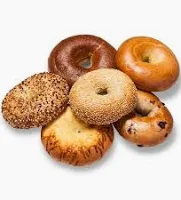
For many, the bagel is the ultimate breakfast icon—chewy, golden, and the perfect vessel for cream cheese or a salty lox spread. However, if you navigate the world with a gluten intolerance and a Baker’s Yeast allergy, the bagel has likely been off the menu for years.
While the gluten-free market has exploded recently, most commercially available "GF" breads still rely heavily on yeast for rise. Finding a recipe that bypasses both gluten and yeast without turning into a dense brick can feel like a culinary scavenger hunt.
The secret to this "breakthrough" bagel? A chemical leavening duo of baking powder and baking soda, paired with a DIY buttermilk substitute that provides the acidity needed for a beautiful lift and that classic tangy flavor. Best of all, this version skips the store-bought buttermilk for common pantry staples.
Gluten-Free Yeast-Free Bagels
Buttermilk-Free Version
This recipe yields a soft, satisfying bagel that doesn't require hours of proofing. It’s perfect for those with multiple dietary restrictions who still want a warm, toasted treat in the morning.
Ingredients
The Base:
221 cups gluten-free flour blend (plus 43 tsp xanthan gum if your blend doesn't include it)
2 teaspoons baking powder
21 teaspoon baking soda
21 to 1 teaspoon salt (adjust based on your flour blend)
1 large egg (for the egg wash)
Optional toppings: Sesame seeds, poppy seeds, or everything bagel seasoning.
The "Buttermilk" (Choose ONE):
Dairy Option: 121 cups milk + 121 tablespoons white vinegar or lemon juice.
Dairy-Free Option: 121 cups unsweetened plant-based milk + 121 tablespoons apple cider vinegar or lemon juice.
Instructions
Prep the Acid: In a measuring cup, combine your chosen milk and vinegar/lemon juice. Stir briefly and let it sit for 5–10 minutes to curdle. This creates the acidity necessary to react with the baking soda.
Whisk Dry Goods: While the milk rests, whisk together the flour, baking powder, baking soda, and salt in a large bowl.
Form the Dough: Pour the curdled milk mixture into the dry ingredients. Mix until a dough forms, then knead for about one minute on a lightly floured surface until smooth.
Shape: Divide the dough into six equal pieces. Shape into bagels by rolling each into a ball and poking a hole through the center, or by rolling them into logs and joining the ends.
Rest & Preheat: Place bagels on a parchment-lined baking sheet. Preheat your oven to 375°F (190°C). Let the bagels rest for 10–15 minutes while the oven reaches temperature; this helps the flour hydrate.
Glaze: Whisk the egg and brush it generously over each bagel. Sprinkle your favorite toppings on top.
Bake: Bake for 20–25 minutes or until golden brown.
Cool: Transfer to a wire rack. Let them cool slightly before slicing—this is crucial for gluten-free bakes to set their structure!
Tips for Success
The Flour Matters: Use a "1-to-1" or "Measure for Measure" blend for the best results.
Don't Skip the Rest: Letting the dough sit while the oven preheats allows the leavening agents to begin their work, resulting in a fluffier bagel.
Storage: Since these lack preservatives and yeast, they are best enjoyed fresh or sliced and frozen for easy toasting later.