Gaming
Going to College to Play Games
BY Ben Klein
May 9, 2026
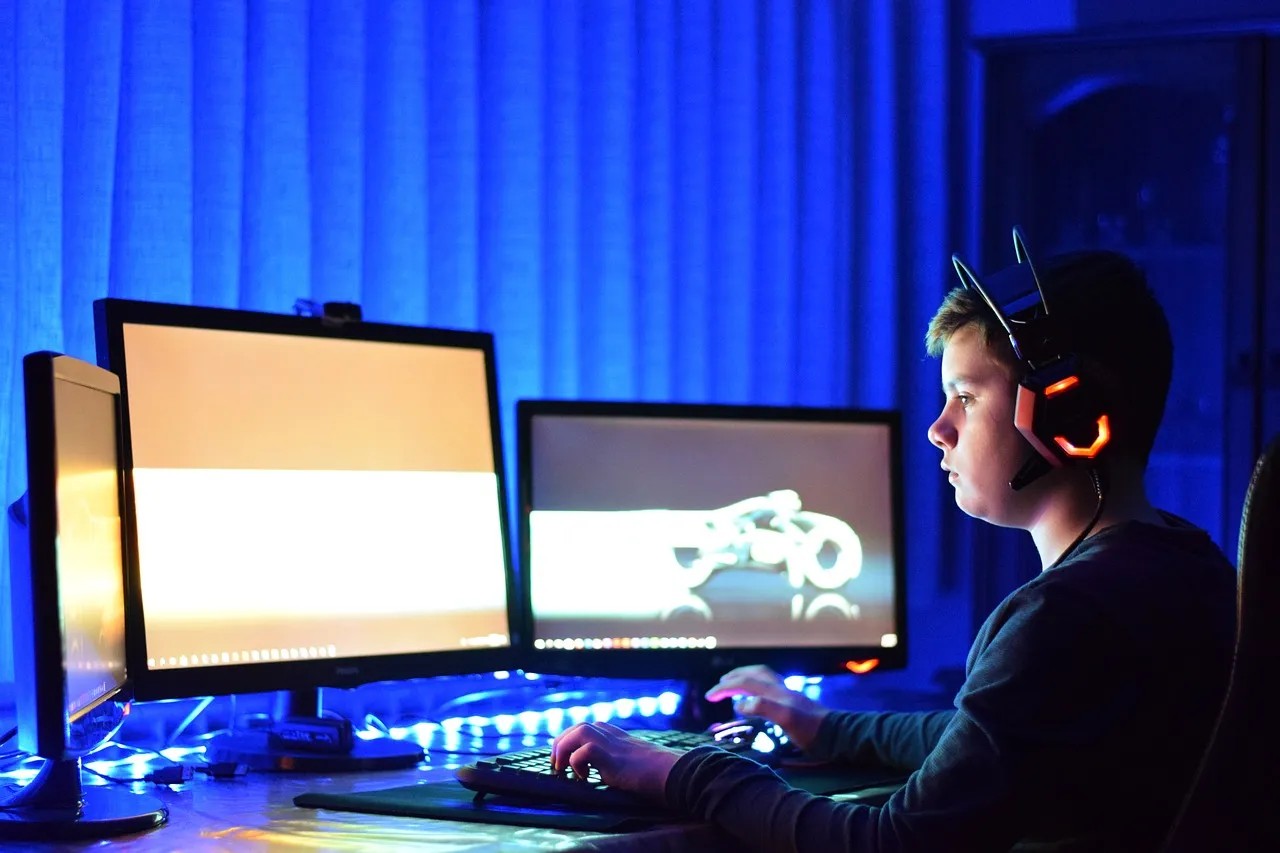
Popular industries change, and universities and post-secondary schools need to change with what is trending. Now, I am not saying that universities need to follow fads, but they need to realize that graduates may be entering industries that may not even have existed twenty to thirty years ago.
Over twenty years ago, business students chose between finance, marketing, general management, human resources, and information systems as their concentrations. This is not the case now. Universities have added the concentrations of healthcare administration, entrepreneurship, supply chain management, and business analytics to fit the need of more focused concentrations.
The Opportunity
One growing business concentration is Esports Management. Esports, at the time of writing this article, is a 1.5-billion-dollar industry. Universities can be both small and large corporations, but what makes all corporations the same is the goal of making money. Universities make money through business incubators, athletics, inventions, publishing, and, of course, providing education. Colleges of all sizes can increase their bottom line indirectly and directly by managing Esports events, sponsoring Esports events and teams, and providing training to students whose goal is to graduate and manage Esports events and teams, whether they work for Esports organizations or organizations that sponsor Esports.
Why Computer Games?
The business opportunity behind Esports is obviously amazing and very lucrative, but how did we get to this point? Aren’t computer games just for kids and immature adults that live in their parents’ basements?
Article content
Well, there may be some truth to that, according to what we see in TV shows and movies. But, in all actuality, gaming can improve our well-being and mental health. Playing electronic games stimulates a healthy brain, helps to develop and improve problem solving skills, relieves stress, and promotes the concept that it is okay to fail. According to the Cleveland Clinic, “gamers had more activity than non-gamers in regions of their brains that were associated with attention and memory”. If all these benefits of game playing are idealistic characteristics of leadership, then the adage must be true: “the geeks shall inherit the Earth”. Since universities want to shape the young minds of the future, it would be in their best interest to support the game industry in whatever capacity they deem appropriate for their student population.
How Did We Get Here?
In recent years, more people have watched Esports than Major League Baseball. Repeat that last statement out loud to yourself. Events around playing computer games rival the 100-plus year old American past time!
Stanford University hosted the earliest known gaming competition in 1972. This was a few years before the first personal computer was invented. The increase of different gaming platforms, along with the social factor, made gaming competitions grow exponentially in recent years. Gaming has thrived on the platforms of YouTube, Discord, and Twitch. The popularity on social media platforms has also garnered the attention of pop culture celebrities. Micheal Jordan invested in an Esports company called aXiomatic, and the Pittsburgh Knights received an investment from the Pittsburgh Steelers. With the involvement of these pop culture celebrities, came an influx of sponsorship by celebrity companies. PayPal was the sponsor of the Rainbow Six Pro League in 2019. Intel and ESL created a three-year partnership to invest over $100 million. Disney finalized a broadcasting deal with Blizzard to air the Overwatch League playoffs.
Universities are prime candidates to host tournaments because of their experience with hosting large scale events. A university’s athletic department can run an Esports event or team, for that matter, just as they may sponsor a Football or Basketball game or championship. The process is similar and fits with the University’s athletic association’s core competencies. Colleges depend on their alumni base for funding for their athletic programs. Not all college alumni may be interested in support to the traditional athletic programs, but with the addition of an Esports team or program, the college may increase their alumni donations by targeting a different demographic of their alumni membership, that may or may not have been targeted before. The college would then see a huge financial incentive for little effort because of the utilization of their current personnel structure.
Esports – the players
What makes Esports different from just a group of friends playing an MMORPG (massively multiplayer online role-playing game)? The obvious answer is the organization and sponsorship involved. The Esports organizational structure and event and team corporate sponsorships bring in crowds and higher revenue. The first step for successful events is to have game developers license their games to league organizers. The second step is to bring together players and teams. When these two steps are completed, the real fun begins. Advertising campaigns are launched, media influencers are hired to market on their individual channels, and personnel are brought in to provide event commentary and analysis. Sponsoring a team and organizing events take a multi-faceted team of experts in the advertising, marketing, management, and technical spaces. Such a coherent team already exists at all universities, whether through an athletic association or a combined effort between the business and journalism programs.
The Past, Present, and Future
Opportunities exist around every corner. Entrepreneurs know this and capitalize on it. This is how companies like Apple, Microsoft, Facebook, and YouTube were created. The trends were there. These leader companies did not invent it. They saw what people wanted and provided it. For decades, the gaming industry has influenced popular culture, social media, and computer development. With every new operating system release, the games developed became more demanding for resources, and therefore, more computer upgrades and sales. As gamers played their games, they wanted to discuss their games. This fact is especially prevalent in the growth of Facebook’s user base and the number of videos and followers on YouTube.
With any type of game, there have always been players and spectators. This fact is of course no different from electronic games. In the 1970’s and 1980’s, we gathered around our friends at the arcade, and now, we gather online and in stadiums. Universities already have the engine for Esports team sponsorship, event management, and personnel education and training. Soon, we should expect to cheer on our college Esports team and prepare for the weekly or monthly tournament just as we gather at the weekly tailgate party before the big football game.
Go Team!
-- originally published at https://www.linkedin.com/pulse/going-college-play-games-hye-gaming-ac2dc%3FtrackingId=dWJgqv7vQZuKEiC4FKU4AQ%253D%253D/?trackingId=dWJgqv7vQZuKEiC4FKU4AQ%3D%3D